
SEO vs AEO vs GEO: The Complete Visibility Framework for 2026
SEO, AEO, GEO explained simply — the complete 2026 visibility framework to show up on Google, in answer boxes, and inside ChatGPT's answers.
 Shreenath JagtapOctober 4, 20267 min read

A buyer in 2026 rarely starts with a search box anymore. They ask ChatGPT to recommend a CRM for their clinic, skim Google's AI Overview before clicking anything, and let Perplexity do the research they used to do manually across ten tabs.
If your business is only playing the Google rankings game, you are competing for one-third of the attention. The other two-thirds happen inside answer boxes and AI conversations.
This framework breaks down the three layers of visibility — SEO, AEO and GEO — in simple words, with examples you can act on this week.
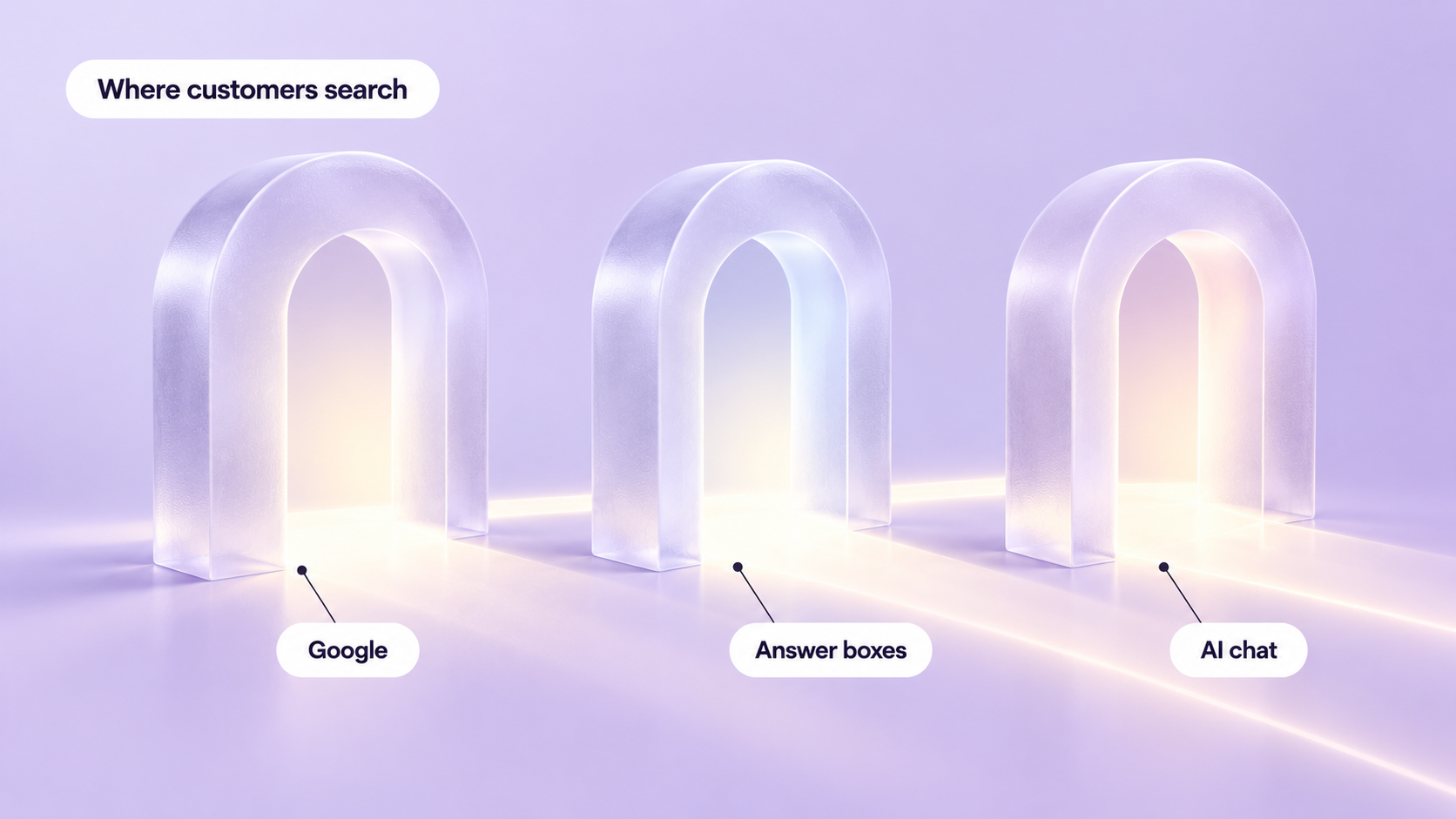
The Evolution of Search: From Links to Answers
For fifteen years, search worked one way: type keywords, scan ten blue links, click.
Then the answers started arriving before the links did. Google's AI Overviews now summarise a query at the top of the page. Perplexity cites its sources. ChatGPT simply recommends.
Three real scenarios from 2026:
A clinic owner asks ChatGPT for the best CRM for a small practice. The AI names three tools with reasons. That buyer never sees a search results page.
A founder types "which agency can build my coaching website" into an AI assistant and gets a shortlist of two or three names — including the reasoning.
A driver asks the car's voice assistant for the best service option nearby and gets one spoken answer, not a list.
The common thread: fewer clicks, more answers. Visibility in 2026 means being the answer or the cited source — not just a link on page one.
What is SEO? (The Foundation)
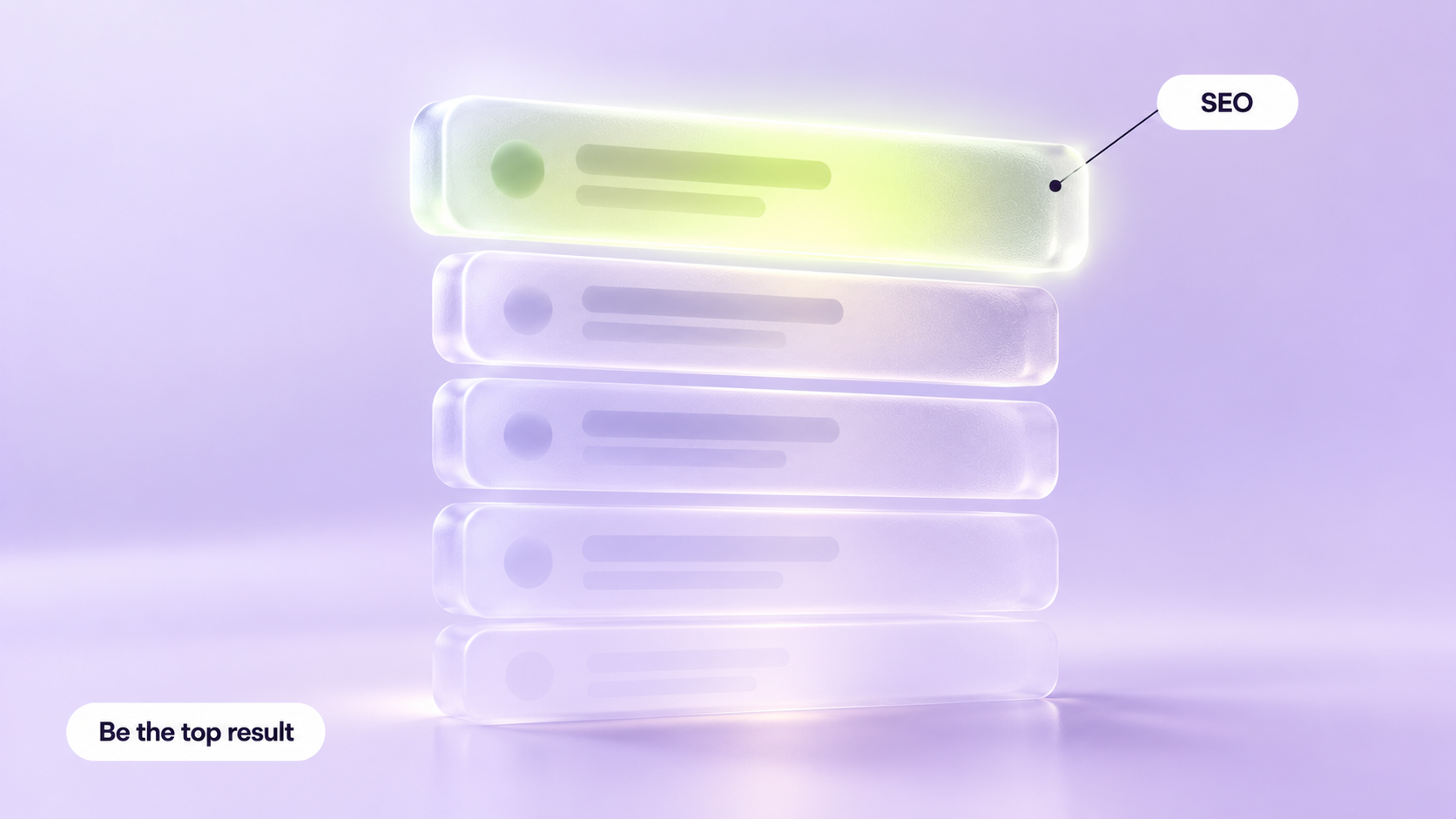
SEO (Search Engine Optimization) is the discipline of showing up in Google's rankings — keyword research, technical health, Core Web Vitals, content architecture, and authority building.
Has something changed? Yes. AI Overviews push classic results further down the page, and fewer people click. But SEO is still the foundation, for a reason most businesses miss: AI systems learn about brands from well-structured, well-ranked web content. When ChatGPT recommends an agency, it usually learned about that agency from content that ranked, loaded fast, and said clearly what it does.
Do this now:
Fix technical health first — speed, mobile experience, crawlability.
Build one strong pillar page per core service topic.
Keep your Google Business Profile active and consistent.
What is AEO? (Be the Answer)
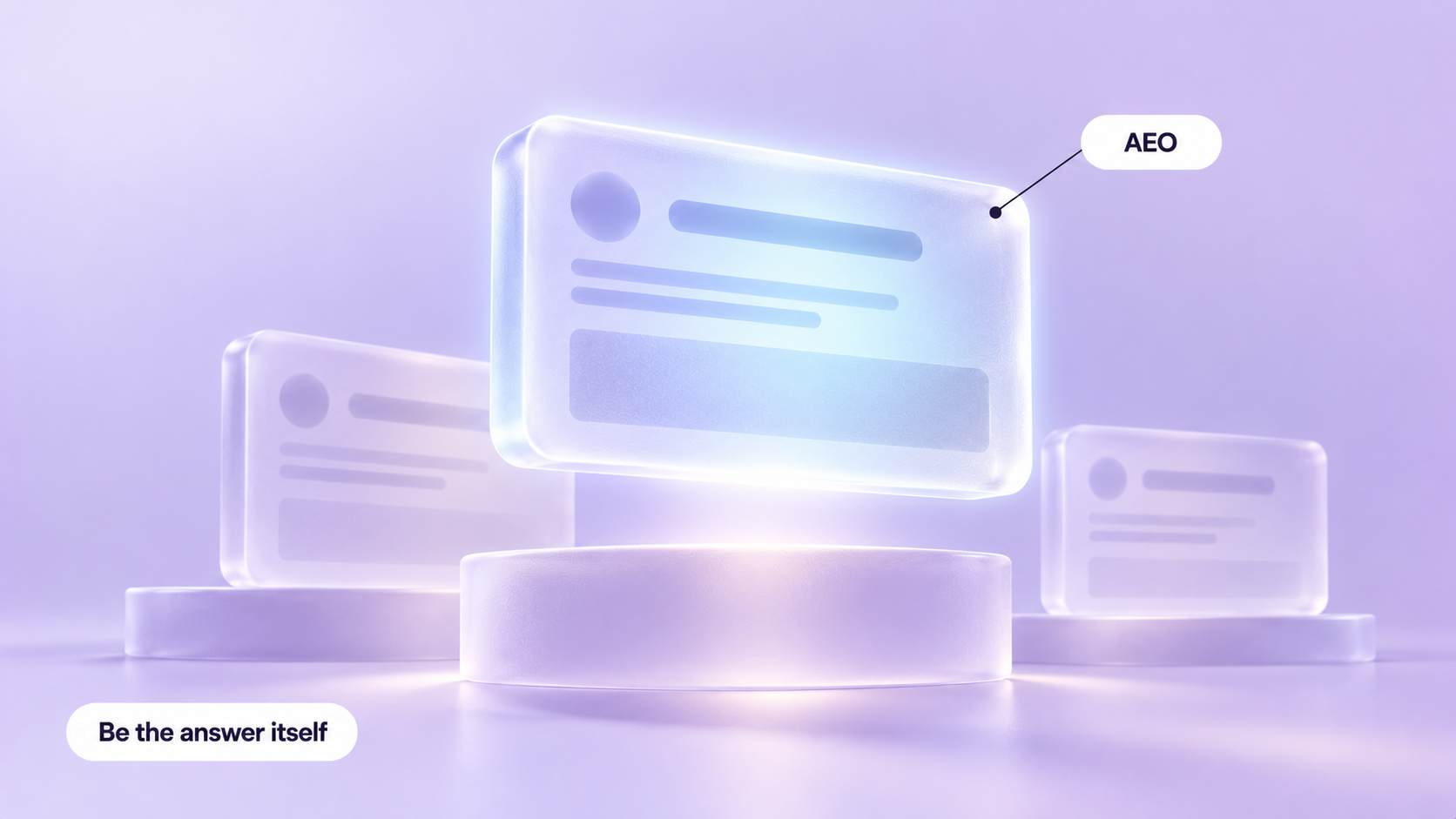
AEO (Answer Engine Optimization) is about becoming the answer itself — featured snippets, People Also Ask boxes, AI Overviews, and voice responses — instead of winning a click.
Answer engines pull from content that is structured to be lifted: question-based headings, a direct 40–60 word answer right under the heading, FAQ blocks, and schema markup that machines can parse.
Example: someone searches how much does a business website cost in India. The page that opens with a clean direct answer, a pricing table, and clear cost breakdowns gets lifted into the AI Overview — and into AI assistants that quote it. That's exactly how our business website cost guide for India is built.
Do this now:
Turn your top services into question-based sections with direct answers.
Add an FAQ block to your key pages.
Mark up your content with FAQ and Article schema.
What is GEO? (Be the Source AI Trusts)
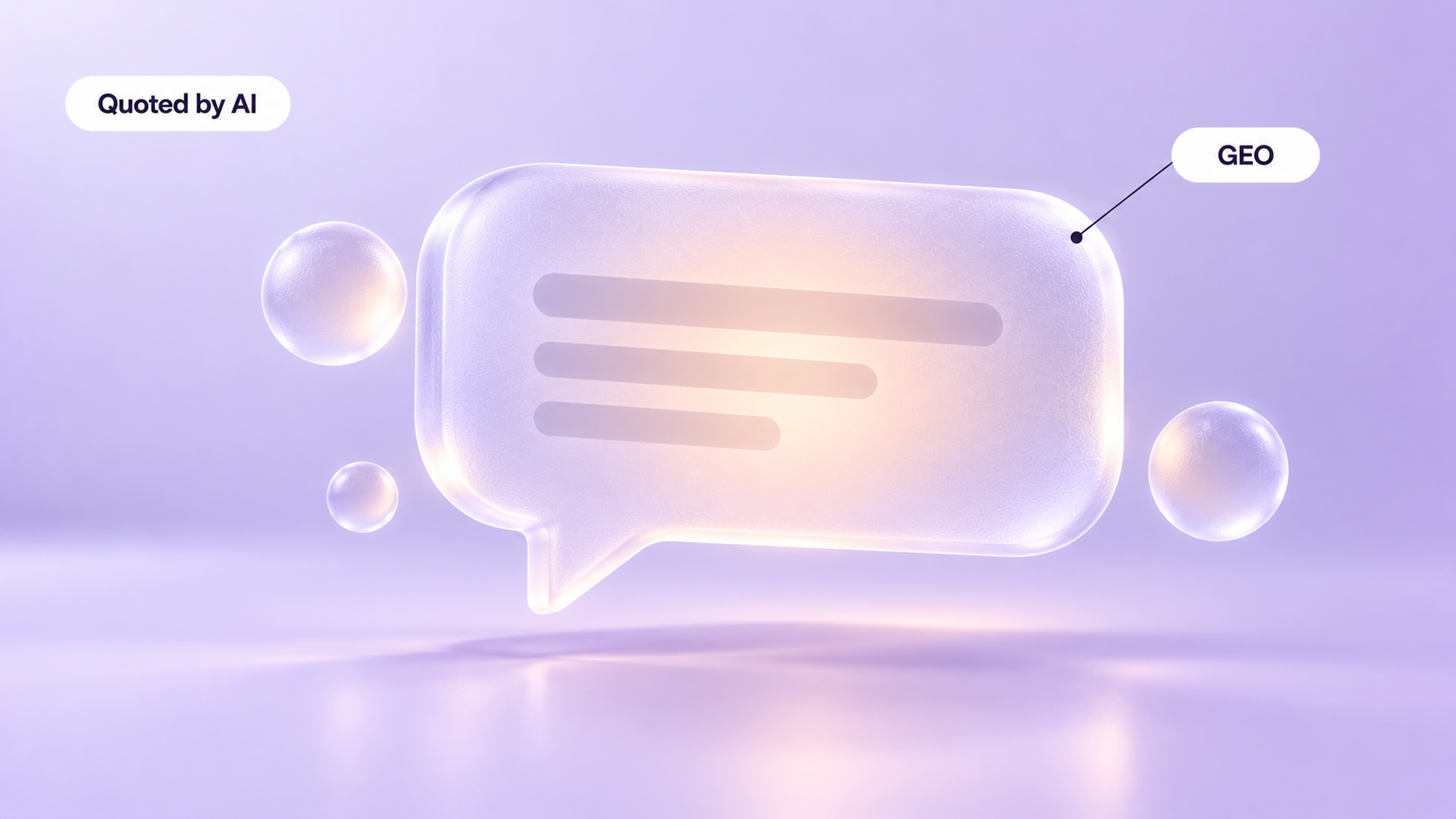
GEO (Generative Engine Optimization) is the newest layer: making your business the one that AI systems name, quote and recommend.
Generative engines decide whom to recommend based on authority, consistency and trust signals — not keyword density. Picture two similar agencies: one has detailed case studies with real outcomes, consistent service information everywhere, client reviews, and named experts. The other has a generic brochure site. When an AI is asked for a recommendation, it picks the safest, most verifiable source. GEO is the work of becoming that source.
Do this now:
Publish case studies with specific problems, process and outcomes.
Keep your business facts identical everywhere — name, services, locations, pricing approach.
Get mentioned where AI reads: review platforms, comparison lists, industry blogs.
SEO vs AEO vs GEO: Side by Side
SEO | AEO | GEO | |
|---|---|---|---|
Primary goal | Rankings | AI answers | AI recommendations |
Target platform | Google Search | AI Overviews, snippets, voice | ChatGPT, Gemini, Perplexity |
Success metric | Traffic | Mentions | Citations & visibility |
Optimization focus | Keywords & technical health | Direct answers & structure | Authority & trust signals |
User journey | Search → Click | Ask → Answer | Ask → Recommendation |
Why You Need All Three
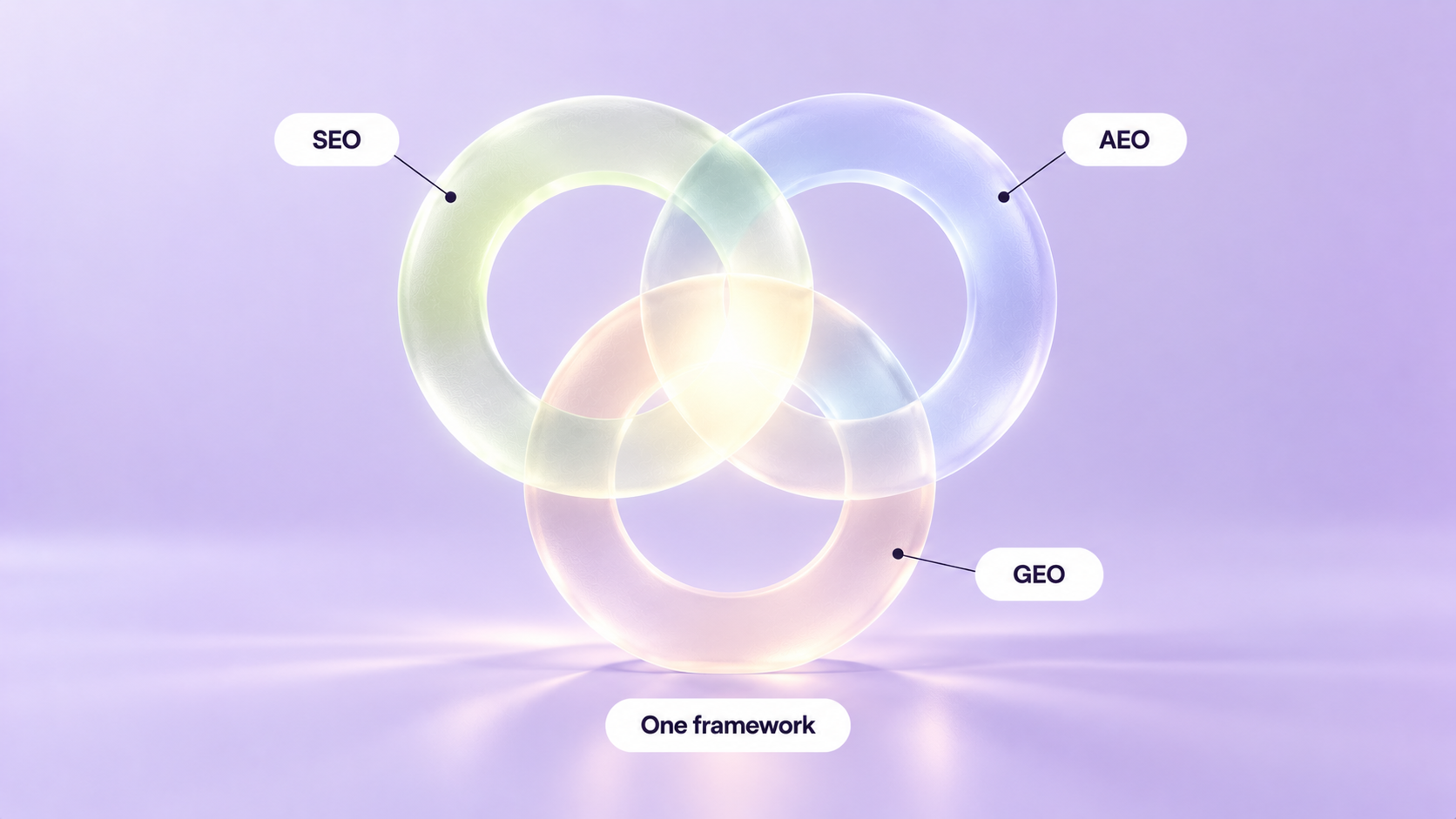
Choosing between SEO, AEO and GEO is the mistake. They compound:
SEO feeds the system. Well-ranked, well-structured content is what AI learns from.
AEO captures the moment. You appear as the instant answer when someone asks.
GEO wins the decision. You get recommended when a buyer asks AI whom to hire.
A single strong article can travel the whole chain: it ranks on Google, gets lifted into an AI Overview, then gets cited by ChatGPT when someone asks a buying question. One asset, three layers of visibility. Drop any one layer and the other two underperform.
How to Prepare Your Website for 2026
Build topical authority. Create content clusters around your services — pillar pages supported by related articles, all interlinked.
Add structured data. Organization, Service, FAQ, Article and Review schema so machines can understand what you offer.
Publish proof, not fluff. Case studies, original insights and real-world experience are what AI engines weight most heavily.
Keep technical performance tight. Fast Core Web Vitals, clean mobile experience, logical architecture.
Write AI-friendly content. Clear question headings, short paragraphs, definitions, step-by-step explanations — easy for humans, parseable for machines.
Frequently Asked Questions
What is AEO in simple words?
AEO (Answer Engine Optimization) means structuring your content so that answer engines — Google's AI Overviews, featured snippets, voice assistants — present your content as the direct answer, instead of just listing your link.
What is the difference between SEO, AEO and GEO?
SEO gets you ranked on Google. AEO gets your content shown as the direct answer. GEO gets your brand named and recommended inside AI tools like ChatGPT, Gemini and Perplexity.
Is SEO still worth it in 2026?
Yes — more than ever. SEO builds the structured, authoritative content that AI systems learn from. Without a strong SEO foundation, AEO and GEO have very little to work with.
How do I get my business quoted by ChatGPT?
Publish verifiable proof: detailed case studies, consistent business information across the web, client reviews, and expert-level content on your niche. AI engines recommend the sources they can trust and verify.
How long do AEO and GEO take to show results?
SEO improvements typically show in 3–6 months. AEO results can appear faster — sometimes weeks — because featured snippets and AI Overviews refresh continuously. GEO compounds over time as your authority footprint grows.
Does AEO replace SEO?
No. AEO depends on SEO. Answer engines pull their answers from content that is technically sound, well-structured and authoritative — which is exactly what SEO builds.
Final Thoughts
Search has become a conversation, and AI is the intermediary between customers and brands. The winners of 2026 will not be the ones chasing every algorithm update — they will be the most trusted, most clearly structured, most verifiable source in their industry.
SEO drives discovery. AEO drives answers. GEO drives authority. Build all three, and visibility stops being a lottery.
Want to know where your business stands across all three layers? Talk to Webilume — we build websites and content systems engineered for the way customers search in 2026.
Written by
Shreenath Jagtap
Hi, I'm Shreenath Jagtap — Founder, builder, and digital strategist. I help turn ideas into scalable businesses by combining AI, modern technology, and strategic execution. My passion lies in creating products that solve real problems, drive growth, and make a lasting impact.